

NVC Resources on Presence
-

Witnessing Humanity
CNVC Certified Trainer Arnina Kashtan talks about what she calls "witnessing humanity," touching on the gift of presence, empathy vs. identification and staying present in the face of intensity.& Listen to this multimedia resource and learn how to: Transform judgments of others Stay present in the face of intensity and distress Open to others, exactly where they are Discern when to respond...
-
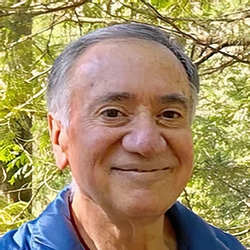
Living the Self-in-Life
with your soul's longing; Notice the obstacles and beliefs that arise; and Bring compassion to your inner experience. Keywords: beauty of the needs consciousness core beliefs exercises/practices presence self empathy compassion connection healing self compassion spirituality self connection purpose self acceptance self responsibility life force living energy life purpose wholeness Robert Gonzales
-

NVC and Inner Relationship Focusing
of the distinctions and similarities between NVC and Inner Relationship Focusing (also known as IRF and Focusing). Included in the video are: Two guided exercises: Sensing into the Qualities of Presence in the Body A Guided Focusing Attunement Discussion of the 4-stages of Inner Relationship Focusing: Coming In Making Contact Deepening Contact Coming Out An outline of the roles in a Focusing...
-

Transforming Anger
be a reaction tied strongly into the fight-flight survival response at the core of our biology as living organisms. For this reason transforming anger is a key practice for returning to conscious presence and connection with self and others when triggered into a reaction. This ability is based in learnable skills and may also be key to our survival as human beings. Join John Kinyon to learn this...
-
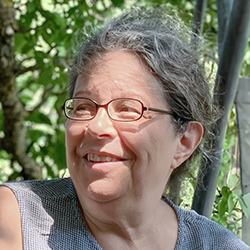
Empathy vs. Sympathy
This is an excerpt from Miki Kashtan's 7 part course Naturalizing NVC Language, which is also available in the NVC Library. Access the complete 7-part course Keywords: imagination empathic presence presence NVC consciousness consciousness naturalizing NVC OFNR connection acceptance sympathy empathy Miki Kashtan
-

Holding the Group's Needs
from Miki Kashtan's 7 part course Naturalizing NVC Language, which is also available in the NVC Library. Access the complete 7-part course Keywords: acceptance connection OFNR naturalizing NVC presence empathic presence empathy groups needs facilitation facilitator facilitate teaching NVC teaching NVC groups sharing NVC Group Facilitation Tips Miki Kashtan
-

What's Love Got To Do With It? A Thousand Ways to Say "I Love You"
The impulse to say "I love you" is an opportunity to check-in both with our level of presence (eg. are we saying it by rote?) and also with what we really mean in that moment (eg. what are the needs and real purpose deep beneath the word "love"?). This can invite us to explore a deeper, more heartfelt way of communicating and being... Read this article Keywords: love I love you presence...
-

Inviting Depth in Conversation
Conversation can become more satisfying with depth. This where connection unfold towards a depth of intimacy, presence, attunement, sensing -- and silent attentive connection where another is attentively seen and heard. Inviting this level of sharing in conversation relies on at least three major elements: attentive silence, the desire to connect and be known, and focus on present moment...
-

What is Empathy?
Mary Mackenzie explores empathy as a form of presence—truly understanding someone else’s world without imposing our own perspective. Using Nonviolent Communication (NVC), she shows a simple yet profound process for expressing that we have genuinely heard another person. This approach helps deepen connection, bridge misunderstandings, and foster more compassionate relationships. Keywords: Mary...
-

An Introduction to Self-Empathy and Focusing
brings your attention to your body sense which creates additional depth to your Self-Empathy practice. Ann Weiser Cornell, the founder of the Focusing process, refers to Self-Empathy as Self In Presence, which is acknowledging what is arising in you and to use “presence” language to help you stay with what is there, rather than diverging into thoughts. It is a clear decision to accompany what is...
Quick Links

Stay in Touch!
We value your privacy, won't share your email address and you can easily unsubscribe any time.
