

NVC Resources on Dialogue
-

Sexual Expression
In Mindful Compassionate Dialogue, discerning the difference between a universal need and a strategy to meet that need can mean the difference between staying stuck or getting unstuck in a conflict. Let's look at a simple example. If you believe your need for peace is the same as time alone, you can only meet your need for peace if you get alone time. Getting regular alone time is a popular...
-

Practice Relationship Repair - Turning Connection into Clear Agreements
mutual care and respect, and have hope regarding a new way forward. Here are some important things to remember about committing to new actions and making requests. Requests are an invitation for dialogue. They are a call to action to meet one or more needs. Requests initiate needs-based negotiation. Requests are specific and doable, and therefore answer most of these questions: What? When?...
-

Parenting Series: Understanding Requests and Demands
habit of demanding something of our children but making it sound like a request, the components of a true request and the importance of being honest when making a demand. Through an inspirational dialogue, Inbal demonstrates how we can stay in a dialogue even when our children say, “No” simply by viewing the situation through our “Giraffe Glasses.” Keywords: requests connection requests demands...
-

NVC Basics
if their method of expressing themselves is challenging How to hear the underlying feelings and needs behind any interaction, even those you don't enjoy How to maintain clarity in challenging dialogues How to stay focused on what is most important to you How to stop being distracted or confused by what other people are doing How to transform old communication patterns to inspire joy and harmony...
-
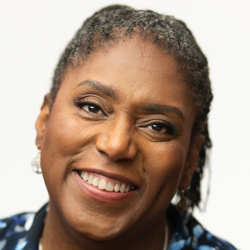
Navigating Systemic Change
the moment to driving long-term societal change. The discussion highlights how NVC, combined with the principles of nonviolence, can guide us in creating protective actions, fostering inclusive dialogues, and making systemic decisions that consider the needs of all impacted communities. Keywords: social change Roxy Manning Roxanne Manning systemic change protective use of force Martin Luther...
-

Exploring Conflict Agreements
to family dynamics, and local parks to practice groups, these agreements demonstrate proactive approaches to conflict resolution by encouraging self-responsibility, empathy, and supportive dialogues. The emphasis is on the importance of having flexible, responsive systems in place to address both immediate conflicts and underlying tensions, fostering healthier interactions and stronger community...
-

Creating the Life You Want With Powerful Requests
our request as the end of a conversation. In this session we will learn why it's hard to hear a "NO" to our requests and how to transform our response so we can truly see "NO" as the beginning of dialogue. Part 3 – Overcoming Our Fear of a Half-hearted “Yes” When we want something to happen, it can be very tempting to accept someone's YES to our requests even when we sense it's not really a YES....
-

Parenting Series: The Importance of Self-Empathy
the strategies you're using right now supporting your goals for the relationships you want with your children? In this introduction to the NVC principle of self-empathy, Inbal uses an interactive dialogue and simple instruction to help you: Use self-empathy to connect to your feelings and needs with an open heart Overcome cultural conditioning that confuses feelings with blame, judgment and...
-

Understanding I’m Not Responsible for Another's Feelings
with both of you seeing the beauty in each other, acknowledging and respecting each others' needs, and leaving the conversation feeling satisfied. The two basic options we have whenever we are in dialogue with another person are compassionate honesty (sharing our own truth) and empathy (listening from the heart to another's truth). In this situation, you might begin with compassionate honesty:...
-

Everyday Parenting Challenges
NVC into their parenting style, they build lifelong relationships with their children upon a foundation of trust and connection. Ingrid points out that there are three options for parents in any dialogue: Self-connection / self-empathy — connecting with the parent’s deep underlying needs Empathy for the other person/child — holding both the child and parent’s needs as precious Honest Expression...
Quick Links

Stay in Touch!
We value your privacy, won't share your email address and you can easily unsubscribe any time.
