

NVC Resources on Trust
-

Not Trusting the “Yes”
In this 2-part audio series, Miki demonstrates how to stay in a dialogue when you don’t trust someone’s “yes,” how to equalize power between people and how to allow space for others to say “no” to our requests. In this 2-part audio series, Miki demonstrates how to stay in a dialogue when you don't trust someone's "yes," how to equalize power between people and how to allow space for others to...
-

Meeting Our Need for Trust
Trainer Tip "What loneliness is more lonely than distrust?" —George Eliot What loneliness is more lonely than distrust? —George Eliot I once dated someone whose stories changed frequently. He always had an explanation if I asked him about them. Other times, he told me things that I simply didn’t believe. Still, I questioned my own reality throughout the year we dated. I didn’t focus on whether...
-

Fear and Trust Facing the Year Ahead
the dissolution, a tremendous light getting brighter and brighter, brilliant and beautiful. Sharing with a dear friend and mentor about my relationship with fear and doubt, he asks, “What do you trust?” The question catches me by surprise, opens me, penetrates deeply. The answer that comes: I trust my growing ability to connect with the oneness of it all through awareness and language, And with...
-

Building Trust
How is trust best supported? Do you know what you do to contribute to making it easier or more difficult for others to express the truth (even in the most mundane moments)? Smaller requests can also built trust over time if they're rooted in the present moment, and are specific enough. Learn more about building trust... Read this article Keywords: trust truth trust hiding secrecy transparency...
-

Keys To Building Trust After Broken Agreements
Building trust involves each person taking responsibility for what they want by identifying their needs, and making specific and doable requests that open a negotiation. Identify in what contexts you already have trust, what you want to be able to trust, and how you may be blocking or cultivating that trust. Making requests for specific actions of what to do differently can also help. Read this...
-

The Circle Of Care, The Circle Of Trust, And Nonviolence
Part of nonviolence is having an infinite circle of care that includes simultaneous care of ourselves, others and groups: no one is beyond the pale. Plus, it's about having an infinite trust in the possibility that we can reach someone's heart even if we don't now know how -- since regardless of what this other person has done, they have the same needs. Without this kind of trust, nonviolence...
-
Responding to Breakdown of Trust in Police
With a world in crisis, steeped in incomprehensible violence, how do we then live? What, if anything, could turn this around? Do we stand a chance? If we are all dying, let us die loving everyone, including ourselves and our former enemies. Let us come together behind wanting everyone to be free. Let us align means with ends as we envision a world that, against all odds, moves towards working...
-

Differentiating Between Feelings And Faux Feelings
peer respect Attacked Scared, angry Safety Belittled Angry, frustrated, tense, distressed Respect, autonomy, to be seen, acknowledgment, appreciation Betrayed Angry, hurt, disappointed, enraged Trust, dependability, honesty, honor, commitment, clarity Blamed Angry, scared, confused, antagonistic, hostile, bewildered, hurt Accountability, causality, fairness, justice Bullied Angry, scared,...
-

Truth as an Act of Love
Speaking the truth creates congruence, which creates trust, facilitating understanding and cooperation. Without truth there is no growth in our relationships and community. Without truth, we create growing resentment which subtlely and inevitably undermines relationships. If this is true, then what keeps us from speaking our truth? Many of us think that honesty will actually create more...
-
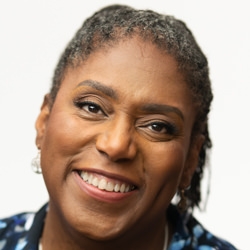
Positive Relationships in Parenting
positive relationships in parenting, while highlighting acceptance and understanding. She stresses the importance of being aware of one's needs, attuning to the other person's needs, fostering trust, and encouraging open communication, especially with children. This approach involves a balance between meeting both sets of needs for a healthier dynamic. Some key points expressed in this video...
Quick Links

Stay in Touch!
We value your privacy, won't share your email address and you can easily unsubscribe any time.
