

NVC Resources on Conflict
-

Parenting from Your Heart - Q&A
Please join us as we pause and remember the work and life of Inbal Kashtan, a beloved trainer, who died on Saturday, September 6, after seven years of living with ovarian cancer.As a way of honoring Inbal, we're offering her last training with us free to anyone. She offered this Q&A session in our 2013 Parenting Conference. At the time, Inbal was in the throes of her cancer treatments and it...
-

Transforming Anger
Anger is one of the feelings that tell us we are thinking in a way in which we are disconnected from our needs; and from the Source of life within us; and in a way that is almost guaranteed to not create the connection and cooperation to meet our needs. It also seems to be a reaction tied strongly into the fight-flight survival response at the core of our biology as living organisms. For this...
-

Developing Compassion for Humans, Animals and All Life
Access this complete 4 session course Around the world, people are experiencing a new paradigm that holds all species (humans, animals, insects, etc.) as equal and mutually interdependent. Take this fascinating webinar with LoraKim Joyner and investigate how merging science; the social and emotional intelligence of humans, animals and other species; and Nonviolent Communication can bring a...
-
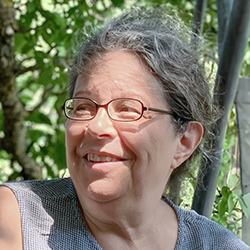
Working for Transformation without Recreating the Past
Want things to change in your community, but feel frustrated or don’t know what to do? Miki’s intriguing overview of how to apply the principles of NVC to social change movements may have the exact blend of inspiration and ideas you’re seeking! Keywords: Social Change Systemic Change Leadership Leader Change Transformation Nonviolence Coaching Communication Community Culture Groups Agreements...
-

The Heart and Science of Empathy
Access this complete 5 session course Join Eric in journeying through the world of Interpersonal Neurobiology (IPNB) as he expands on the theories and tools from his book Meet Me In Hard-to-Love Places: The Heart and Science of Relationship Success. You'll discover why IPNB and NVC complement each other so well, especially in the powerful practice of Somatic-Based Resonant Empathy. Benefits...
-

Laughter, IPNB and Empathy
Sometimes even a very skilled empathy practicitioner can go into offering a non-empathic response, even when asked for empathy. Why? One reason could be that our brains might be less receptive because of unseen forces that affect our brain and relationship with others. This article speaks to the deeper "why" and also to one thing we could do to turn it around... Read this article Keywords: self...
-
Nonviolence in the Face of Hatred
When Anita's sister reveals that the Ku Klux Klan broke into her home and dragged her out into a field towards a burning cross, Anita's commitment to nonviolence is challenged. Here, Miki highlights practices and lessons from her story of inner struggle -- including an insight about how, even in extreme polarization, our freedom and healing is wrapped up in others' freedom and healing. Read...
-

Prevent Misunderstanding--One Simple Strategy
Misundertstandings can be painful. We can easily avoid this by checking what the other person understood from what we said, and ask the other person to do the same. Doing this is especially important when it comes to planning, shared decision-making, and when emotions are strong. Also, the more someone knows you, the more they think they already know what you mean -- which can get in the way of...
-

Meeting Our Needs
Trainer Tip In blocking off what hurts us, we think we are walling ourselves off from pain. But in the long run, the wall, which prevents growth, hurts us more than the pain, which if we will only bear it, soon passes over us . . .Walls remain. —Alice Walker Discovering the unmet needs that drive our feelings is only part of the solution. The other part is to understand what it will take to...
-

Transformative Dialogue
The less blame and criticism, the easier it is for others to hear us. From this perspective, it’s in our best interest to come from curiosity and care. This way differences can bring us together and help us know one another. The more mutual understanding, the easier it is to work together and find creative solutions. Read on for more on this, with a story about how a black man inspired 200...
Quick Links

Stay in Touch!
We value your privacy, won't share your email address and you can easily unsubscribe any time.
