

NVC Resources with Duke Duchscherer
-
Guided Dialogue
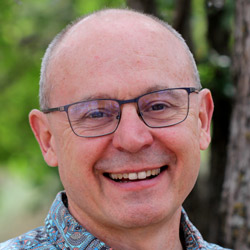
In this snippet from Duke Duchscherer's course, Restorative Dialogues: Transforming Conflict, Building Community Resilience, he shares a structured approach for conflict resolution or communication facilitation. It involves a facilitator guiding a conversation between two parties in conflict. The process begins with one party expressing their perspective while the other listens actively. The...
-
What is Community and Community Well-Being?
Duke Duchscherer shares that community well-being is created by the relationships that exist within the community. He discerns two vital components: bonding connections within similar groups and bridging connections between different groups. This interplay forms what is commonly termed as social capital, a cornerstone of community vitality. Duke says that a community's strength lies in its...
-
How Do We Build Relationships?
may truly comprehend the speaker’s message. In this video, Duke introduces two components of communication and how the restorative dialogue process supports mutual understanding. Keywords: Duke Duchscherer applying NVC relationship building restorative communication dialogue
-
Why Do I love Restorative Circles?
Duke Duchscherer shares that Restorative Circles have the ability to transform relationships. Groups may start with feelings of worry, anxiety, fear, anger, and even hatred. The dialogue process supports a shift to more ease, connection, and trust. Keywords: restorative circle connection dialogue transformation trust Duke Duchscherer
-
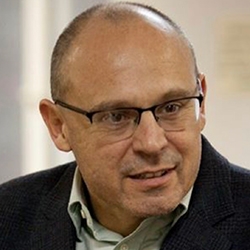
Exploring Needs Behind Punitive vs. Restorative Approaches
Duke Duchscherer explores responding to people who are committed to a punitive process rather than a restorative process. He suggests looking for what needs are met by the punitive process. Could those needs be met in a restorative process? Keywords: restorative circle punitive punishment Duke Duchscherer
-
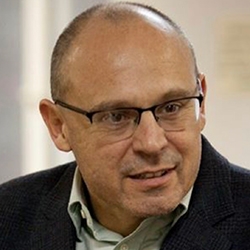
What is the Role of the Facilitator in a Restorative Circle?
Duke Duchscherer shares what the role of the facilitator is in a restorative circle. Creating space for dialogue/inviting participation Staying in the present moment Stays in service of agreements Collaborate as a team Willingly restricting involvement (turns over decision-making to the community) Track the process Trusting the process Keywords: facilitator restorative justice group...
Results 1 - 6 of 6
Quick Links
Stay in Touch!
We value your privacy, won't share your email address and you can easily unsubscribe any time.
